

History and Culture of the Shasta Nation: An Insightful Overview
Nestled in the heart of the Klamath region, the Shasta people have long been the stewards of a land carved by the winding paths of rivers like the Klamath, Salmon, Sacramento, and McCloud. With a heritage as rich as the forests surrounding Mount Shasta, they’ve cultivated a culture deeply rooted in the landscape of what is now known as Northern California and southern Oregon. The Shasta Tribe represents a vital thread in the fabric of Native American history, holding fast to traditions that have endured the tests of time and the pressures of changing worlds.
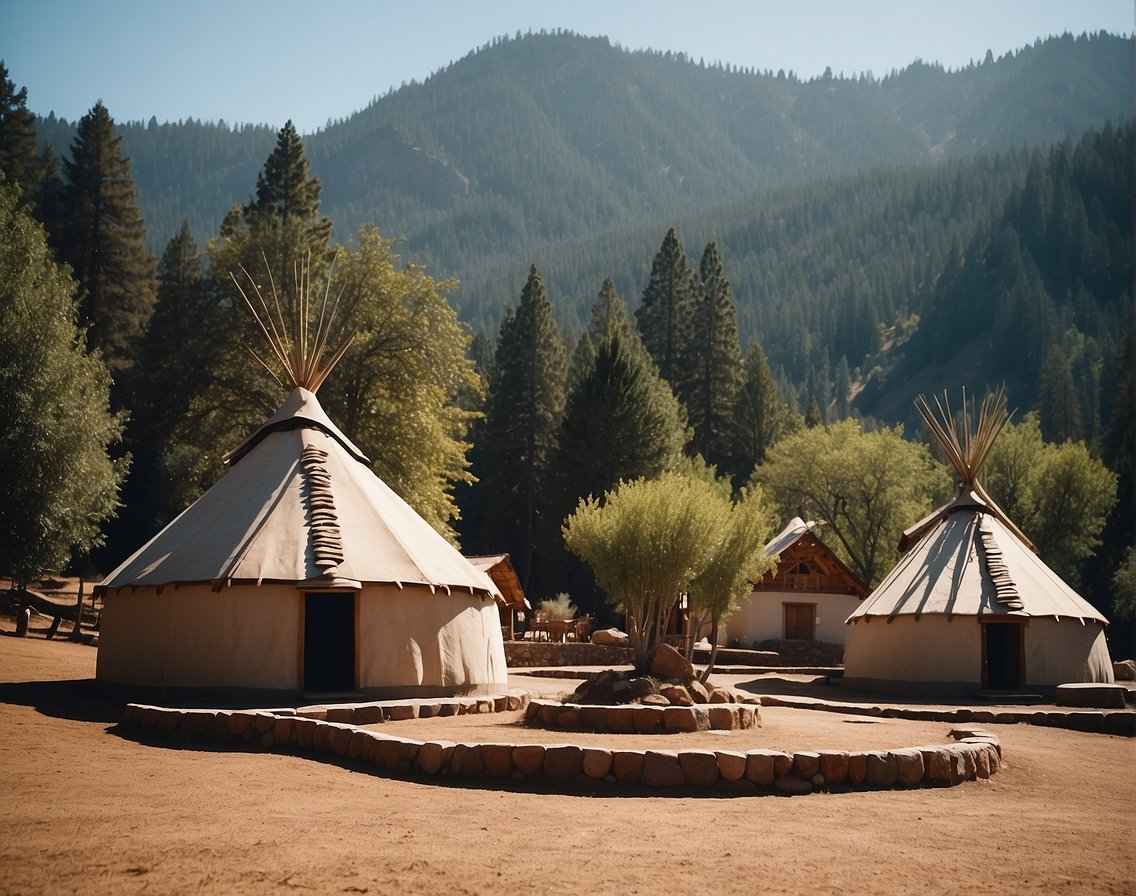
The traditional villages of the Shasta Nation stand as silent witnesses to a time when these indigenous communities thrived autonomously, their lives inextricably linked to the seasonal rhythms of the earth and waters. The Shasta people’s collective wisdom has been passed down through generations, with respect for nature and reverence for the spirits that inhabit the sacred sites dotting their ancestral lands. In understanding the Shasta, one gains insight into the intricate legacy of American Indians and their ongoing contributions to the cultural mosaic of America.
Today, the Shasta Nation continues to navigate the complexities of modernity while preserving the essence of their identity. Stories of past and present converge, as the Shasta people maintain their customs amidst the ever-evolving cultural landscapes of contemporary society. Unfolding their history is to map the journey of a resilient nation, affirming the enduring spirit of the Shasta people—a spirit that thrives in the villages, customs, and the very soul of the land they have called home for centuries.
Traditional Territory
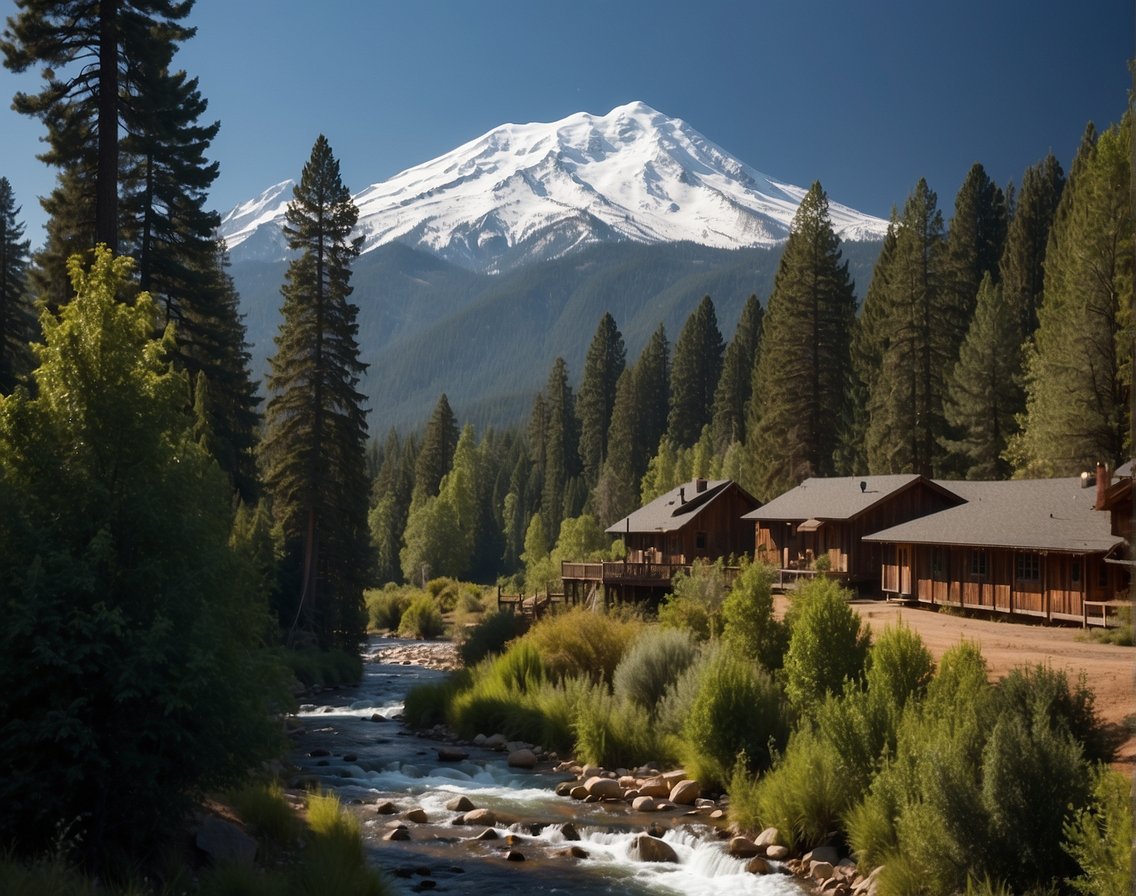
Settled amidst the rugged beauty of the Klamath Mountains, the Shasta people’s ancestral grounds were a vast expanse stretching from the lush wilderness of Northern California to the verdant landscapes of Southwestern Oregon. They called the shadow of Mount Shasta home, a sacred peak rising proudly against the horizon.
The Shasta Nation established their villages strategically along the life-giving rivers of the region: the Klamath, Shasta, Salmon, and Scott Rivers danced through the valleys, with their numerous tributaries offering sustenance and a natural trade network for the inhabitants. Villages thrived near these watery veins, ensuring the Shasta always had access to the fish and clean water essential to their daily life.
The Konomihu were counted among their number, a smaller group within the larger Shasta federation, sharing the land and its resources. The rivers’ bounty nurtured a culture of trade, allowing the Shasta to exchange goods and thrive amidst the natural barriers that surrounded them. New River Shasta, another part of this network, served as a key component in their territorial expanse.
Life here was one of harmony with the land, an age-old rhythm of living off what the lush mountainous terrain could provide, respectful of the silent peaks and the roaring rivers that marked the Shasta’s claim upon the world.
Language
The Shasta language stands as an intrinsic element of the Shasta native culture, a linguistic gem once spoken fluently by thousands. Historically, this language was part of the vibrant Shastan language family, a group that also encompassed the Konomihu, New River Shasta, and Okwanuchu dialects. The language itself paints a vivid picture of the Shasta people‘s interactions and daily life, capturing the essence of their world view and practical know-how handed down through generations.
In the early days before contact with European settlers, the Shasta language was spoken by approximately 2,000 individuals—a testament to the cultural richness and diversity of the region. As time marched on, the number of first-language speakers dwindled, and with it, a portion of the cultural tapestry began to fade.
However, a resilient spirit has given rise to efforts in language revitalization and reclamation among the Shasta descendants. These modern linguistic warriors, though not raised with the Shasta tongue as their cradle language, have turned the tide to ensure the essence of their ancestral voice endures. The path to reviving the language is not only a sentimental quest but also a practical one aiming at sustaining and nurturing an integral part of their heritage.
The current reality signifies a crucial moment in the linguistic history of the Shasta people. Their determined stride towards language revival encapsulates an unwavering connection to their roots, a stride that promises a future where the Shasta language is not merely a subject of historical contemplation but a living, thriving mode of expression.
Cultural Practices
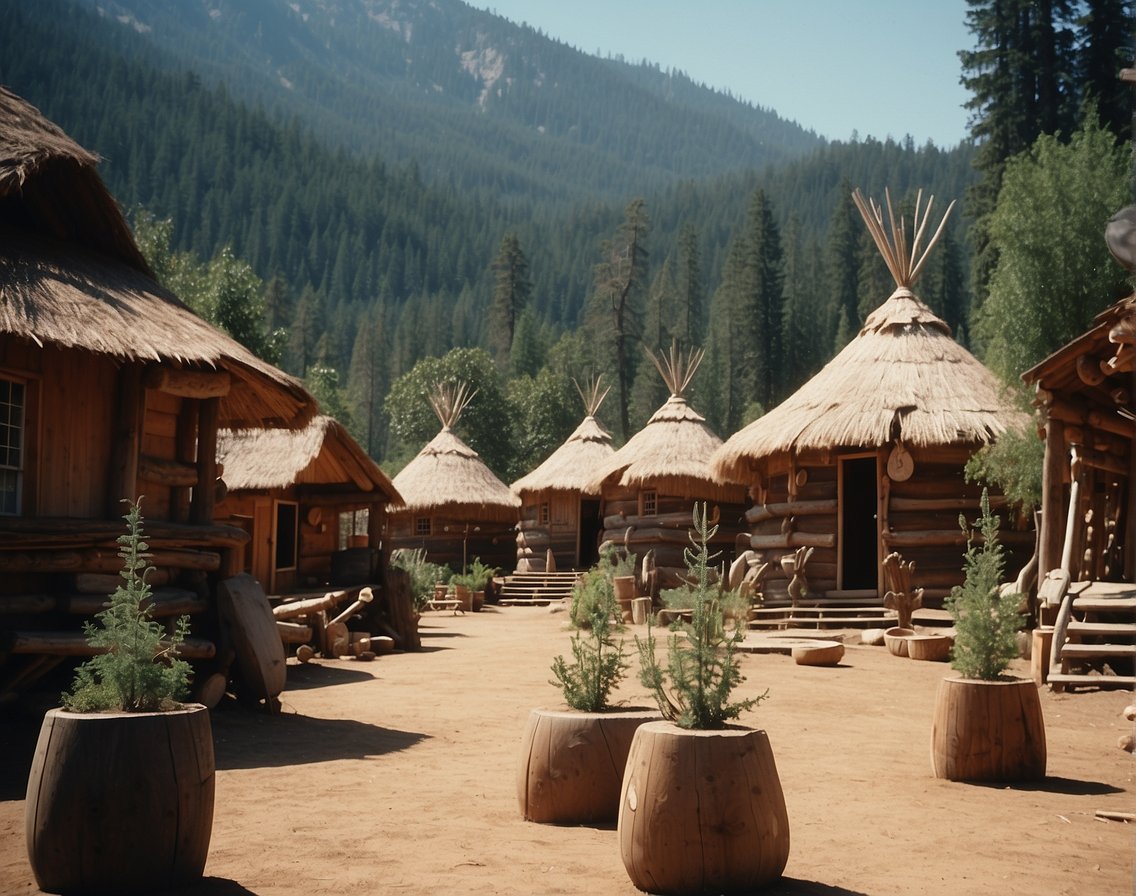
In the tapestry of Shasta life, their cultural practices were the threads that colored their existence with vibrancy and resilience, reflecting a deep connection with the natural world resonant in their subsistence, craftsmanship, and the very nature of their dwellings.
Subsistence
The Shasta tribe were consummate providers, living in harmony with the land that sustained them. Villages nested near waterways teemed with salmon, integral to their diet and a testament to their adept fishing techniques. Semi-nomadic lifestyles allowed them to follow the seasonal bounty, with hunting integral for meat. The men, skilled hunters, pursued game using bows tipped with meticulously crafted obsidian arrowheads.
- Acorns: A staple, collected and processed with precision.
- Roots and seeds: Foraged methodically, contributing to their nourishment.
They practiced a blend of gathering, hunting, and fishing that sustained not just the body, but also the spirit, providing for the community and cementing social ties through shared trade networks.
Craftsmanship
The Shasta people’s hands spoke the language of creation, weaving buckskin into resilient leggings and soft moccasins, while their tool-making skills were evident in sharp knives and arrowheads. Each piece echoed the maker’s connection to their resources, from the obsidian mined from volcanic glass deposits to the wooden dugout canoes that carried them across waterways:
- Obsidian tools: Sharpened with care for various uses.
- Dugout canoes: Carved to navigate rivers, integral in trade and transport.
Their artisans were not just workers of leather and stone but keepers of an aesthetic that found its way into every facet of their lives.
Dwelling
Wickiups—these were the homes of the Shasta peoples, constructed ingeniously to welcome both the solitude of sleep and the orchestra of communal dialogue. Made of local materials fashioned with a precise understanding of their environment, these structures reaffirmed the Shasta’s connection to the earth. The larger big house or okwa-umma stood as communal anchors in the village, a nucleus for ceremonies and council meetings.
- Wickiups: Temporary shelters elegantly woven from nature’s offerings.
- Sweat houses: Built as both cleansing spaces and for spiritual communion.
Their dwellings were not mere structures; they were whispers of centuries of architectural evolution, shaping the landscape as much as it shaped them.
Spiritual Beliefs and Rituals
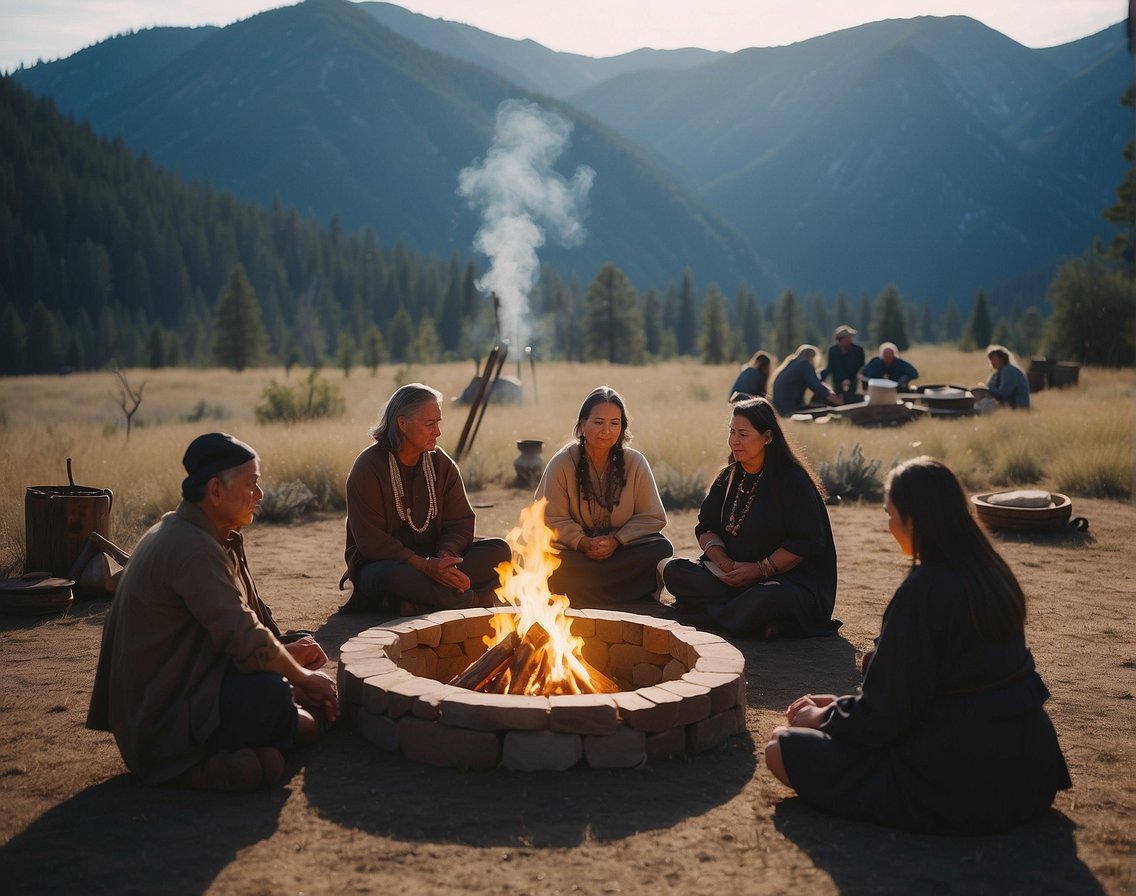
Amidst the towering presence of Mount Shasta, the Shasta nation’s spiritual life thrived, interwoven with the natural world’s ebb and flow. The mountain itself, a majestic sentinel, stood at the heart of their cosmology and tales of creation.
Sacred Dances: The Shasta people engaged in various dances, both for celebration and solemn rite. War dances, steeped in the rhythm of drums, were not only expressions of might but also connected warriors to the spiritual domain. There were also ceremonies to initiate healers, deemed essential for maintaining community well-being.
Personal Rituals: On an individual level, the Shasta performed personal rituals, imbued with the intent for fortune and safeguarding. Such acts were deeply personal, often seeking harmony with the forces of nature.
- Mythology: Integral to their rituals and spiritual beliefs was a rich tapestry of mythology, where each story and legend served to explain the mysteries of life and the forces of nature.
- Big Head Cult: Enigmatic practices from the Shasta’s spirituality included the Big Head Cult, which is less documented but significant in their ritual practices. Masks and regalia in such gatherings symbolized deeper spiritual connections.
Ghost Dance: Although the Ghost Dance was adopted by many Native American tribes in the late 19th century, the Shasta nation’s participation illustrated a collective yearning for a return of ancestors and a restoration of indigenous ways of life, disrupted by outside forces.
Central to the Shasta culture, these spiritual beliefs and rituals forged a deep and enduring bond between the people, their history, and the land that sustained them.
Historical Interactions
In the turbulent tapestry of the past, the Shasta Nation‘s encounters with other tribes, European settlers, traders, and the forces of conflict would leave imprints enduring through centuries. These engagements not only reflect the resourcefulness and adaptability of the Shasta but also outline the challenges that tested their resolve and reshaped their destiny.
Inter-Tribal Relations
The Shasta people, native to the Klamath Mountains, fostered a complex web of inter-tribal trade and relations with neighboring tribes such as the Karuk, Yurok, Achomawi, Wukwun, Atsugewi, and Karok. These relationships, built on mutual benefit and exchange, remained largely intact until external pressures began to exert influence.
European Contact
The arrival of the Hudson’s Bay Company and the fevered onset of the California Gold Rush brought the Shasta into contact with European settlers. This interaction, while initially centered around trade, eventually unfolded into an era of trial. New diseases for which the Shasta had no immunity severely reduced their population, causing a devastating blow to their community.
Conflicts and Wars
A shadow fell upon the Shasta as the gold rush escalated, with miners encroaching upon their lands. The tensions culminated in the Rogue River Wars, forcing many from their ancestral territories. The cycle of conflicts led to treaties which rarely benefited the Shasta, such as forced relocations to reservations far from their mountainous home, forever altering their way of life.
Contemporary Issues
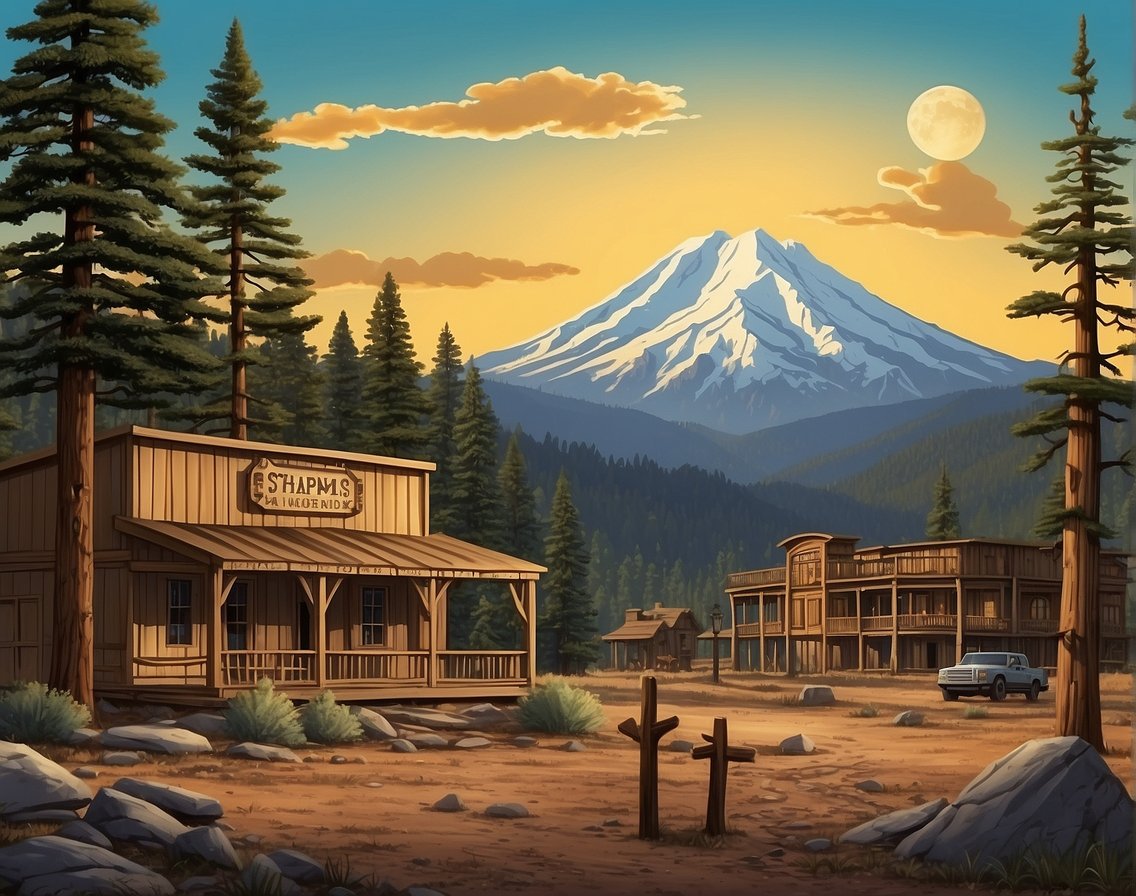
Amidst the tranquil landscapes of Siskiyou County, the Shasta Nation grapples with enduring challenges. The pulse of the Shasta community beats with a solemn rhythm, echoing the trials of survival and cultural preservation in the face of modern dilemmas.
Land and Water Rights: The federal government and the Shasta Indians are entangled in a complex dance over land ownership and water rights. Increasing demands for resources add to the pressure, with the Shasta Dam featuring prominently in discourses about resource allocations and environmental impacts.
Recognition: Recognition is an issue that weighs heavily on the Nation. Without formal acknowledgment, the intricate tapestry of their sovereignty remains in the shadows, affecting access to programs and services meant for recognized tribes.
Cultural Preservation: As modern civilization expands, the shadow of encroachment threatens traditional lands. The Shasta strive to safeguard their heritage amidst this encroachment, fighting to pass down ancestral knowledge and practices to the younger generations.
Socioeconomic Factors: Social and economic issues cut a swathe through the community. Integrating into a wider society while maintaining a distinct cultural identity presents a profound challenge for the Shasta people, with the balance between progress and tradition forever in a delicate state.
Health Concerns: The specter of new diseases and changing lifestyles impacts the health of the Nation. Maintaining health and wellness practices suited to their way of life is yet another modern-day frontier the Shasta continue to navigate.
As they tackle these contemporary issues, the determination of the Shasta people remains steadfast, a testament to their resilience and the enduring spirit that has guided them through centuries.
Tribal Governance
Strategically organized into communal villages, the Shasta Nation was traditionally segmented, with multiple families forming the fundamental units of the larger society. Each village was typically guided by a prominent leader, often referred to as a headman, whose role was to oversee the communal welfare and make decisions vital to the village’s prospering.
Tribal leadership today remains a cornerstone of the Shasta people, upholding a governance system that cherishes the past while navigating the complexities of contemporary political landscapes. The tribal government is a steadfast advocate for its people, a bastion upholding the tribe’s sovereignty and rights. It is a fervent preserver of the Shasta Nation’s rich cultural lineage.
Under the umbrella of the federal government, entities like the Shasta Nation that have attained the status of a federally recognized tribe maintain a degree of self-governance. This recognition allows the tribe to manage internal affairs, protect their traditions, and initiate programs for the benefit of their members.
- Key Bodies of the Tribal Government:
- Tribal Council: Central governing body
- Cultural Preservation Committees: Guardians of heritage and customs
- Legal and Sovereignty Advocacy Groups: Defenders of tribal rights and treaties
In the arena of intergovernmental relations, the Shasta council acts as a conduit between their populace and federal agencies, ensuring their voices resonate in the corridors of power. The tribe’s governance structure is not just a model of resilience but a testament to their enduring legacy, remaining steadfast in the face of change and continuing to pilot their people through the tides of time.
Notable Shasta People
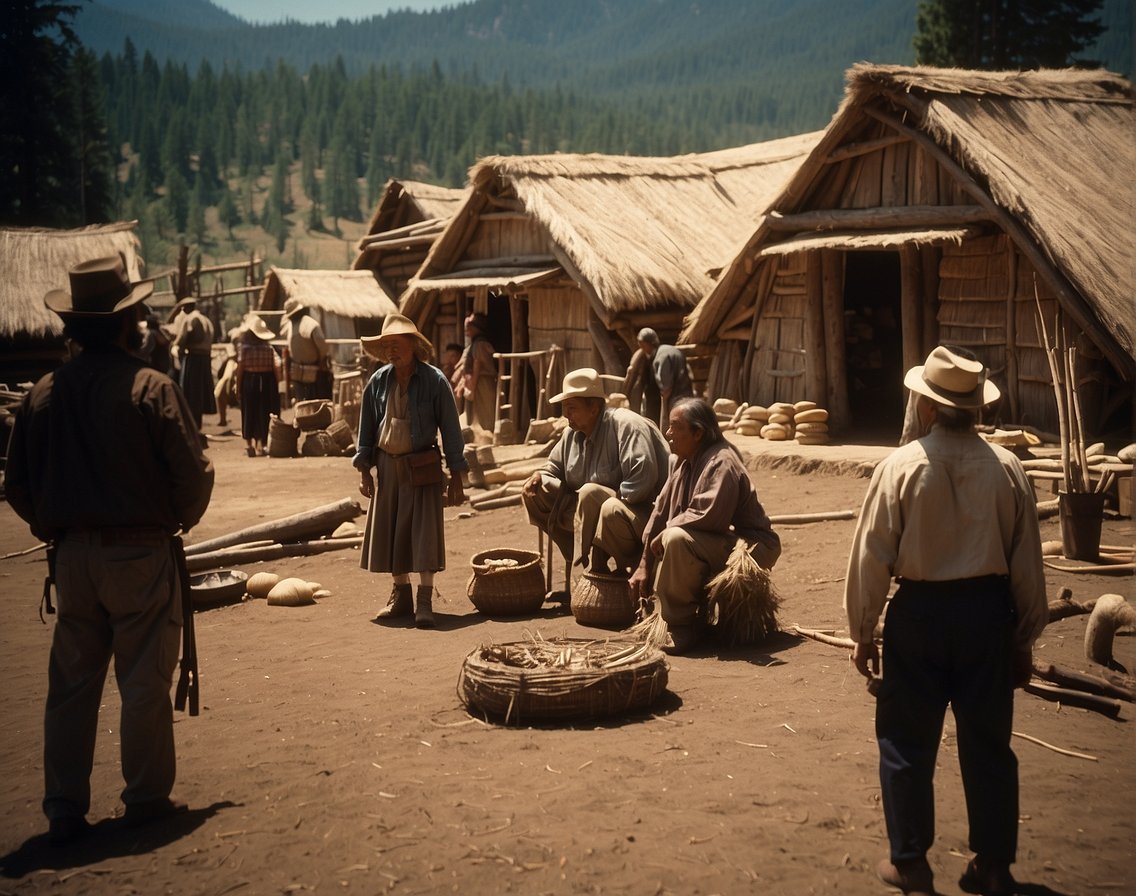
In the rich tapestry of their history, the Shasta Nation boasts individuals of considerable influence who have left an indelible mark on their tribe and beyond. Their contributions span the realms of activism, culture, and the arts, and these distinct figures have uplifted their heritage while making strides in a society that is continually evolving.
-
Franklin Tutu
Role: Tribal Leader and Advocate
Franklin Tutu emerged as a prominent tribal leader in the mid-20th century, advocating tirelessly for the rights of the Shasta people. His eloquence and unwavering dedication to tribal sovereignty fostered a greater understanding between the Shasta Nation and governmental bodies. -
Anna Lee Walters
Occupation: Author and Educator
Armed with a pen and an earnest passion for storytelling, Anna Lee Walters is a Shasta author whose works have illuminated the vibrancy of Shasta traditions and contemporary issues. Her literature serves as both a mirror reflecting the Shasta spirit and a window for the outsider’s perspective. -
Jason Court
Notoriety: Cultural Preservationist
With a profound reverence for the past, Jason Court stands as a beacon of cultural preservation. His efforts in maintaining the historical sites and rituals of the Shasta have ensured that ancient practices are neither forgotten in the sands of time nor lost to modern advancements.
Their actions, rooted in the strength of their ancestors, have woven a new layer into the fabric of Shasta history, illustrating resilience and the power of a voice that echoes through generations. Each individual continues to inspire their people, cultivating a legacy that transcends the bounds of their nation and touches the hearts of all who encounter their stories.
Education and Outreach
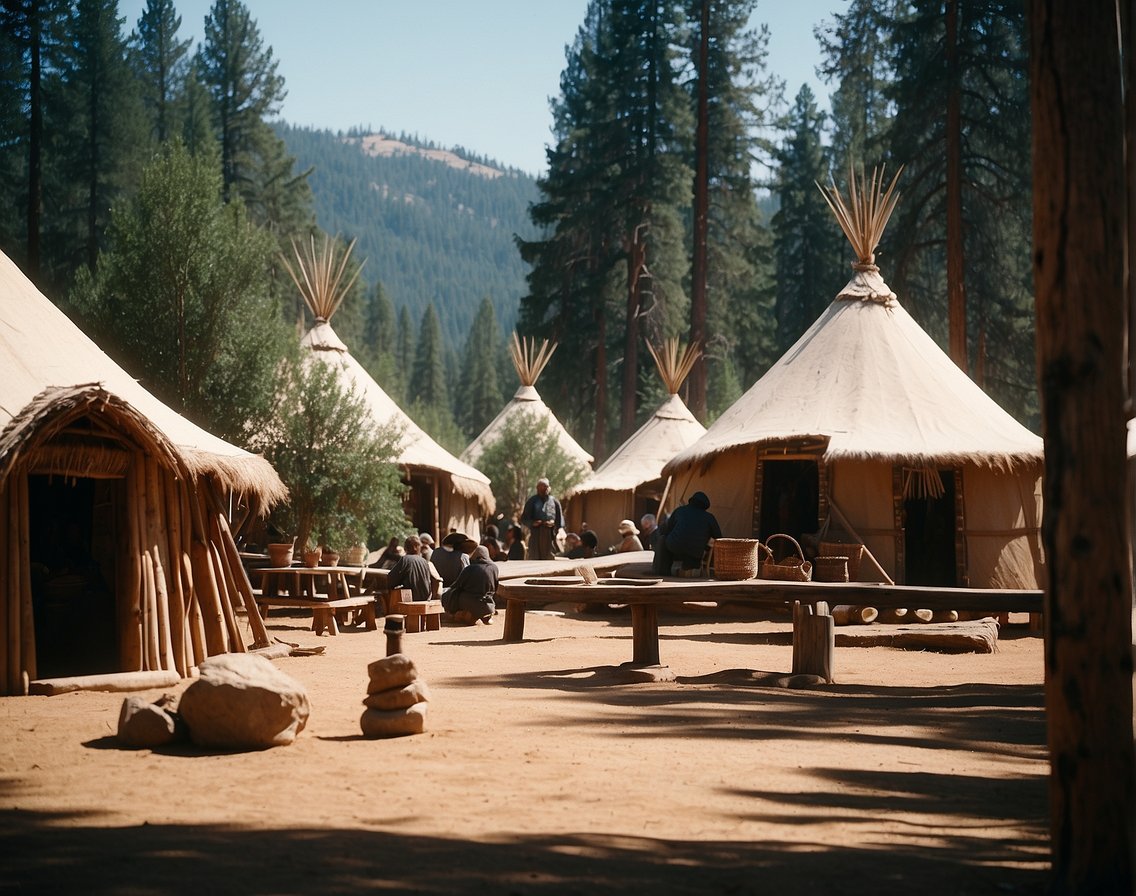
Educational initiatives directed at the youth of the Shasta Nation have been established to foster a deeper connection with their rich history and cultural identity. Key partnerships with educational institutions underscore the commitment to not only preserving the legacy of the Shasta Indians of California and their neighbors but also to sharing their heritage with a wider audience.
Programs designed for Shasta children incorporate a variety of learning experiences that engage with traditional knowledge through modern educational methods. The focus lies on imparting an understanding of the past, while equipping young minds with the tools to weave these teachings into the fabric of their future.
In the broader sphere, outreach efforts break the barriers of the reservation, sharing with the world the vibrant tapestry of Shasta history. These outreach programs aim to enhance cross-cultural understanding and foster respect for the identity and values of the Shasta people.
Collaborations with various entities underline the importance of inclusion and the value of shared learning. These partnerships have launched a multitude of resources and programs that not only educate about the Shasta but also celebrate the nuances of their enduring culture.
By bridging the gap between generations and communities, the education and outreach efforts of the Shasta Nation contribute to a living dialogue—one that honors their past while consciously stepping into the future.
Economic Endeavors
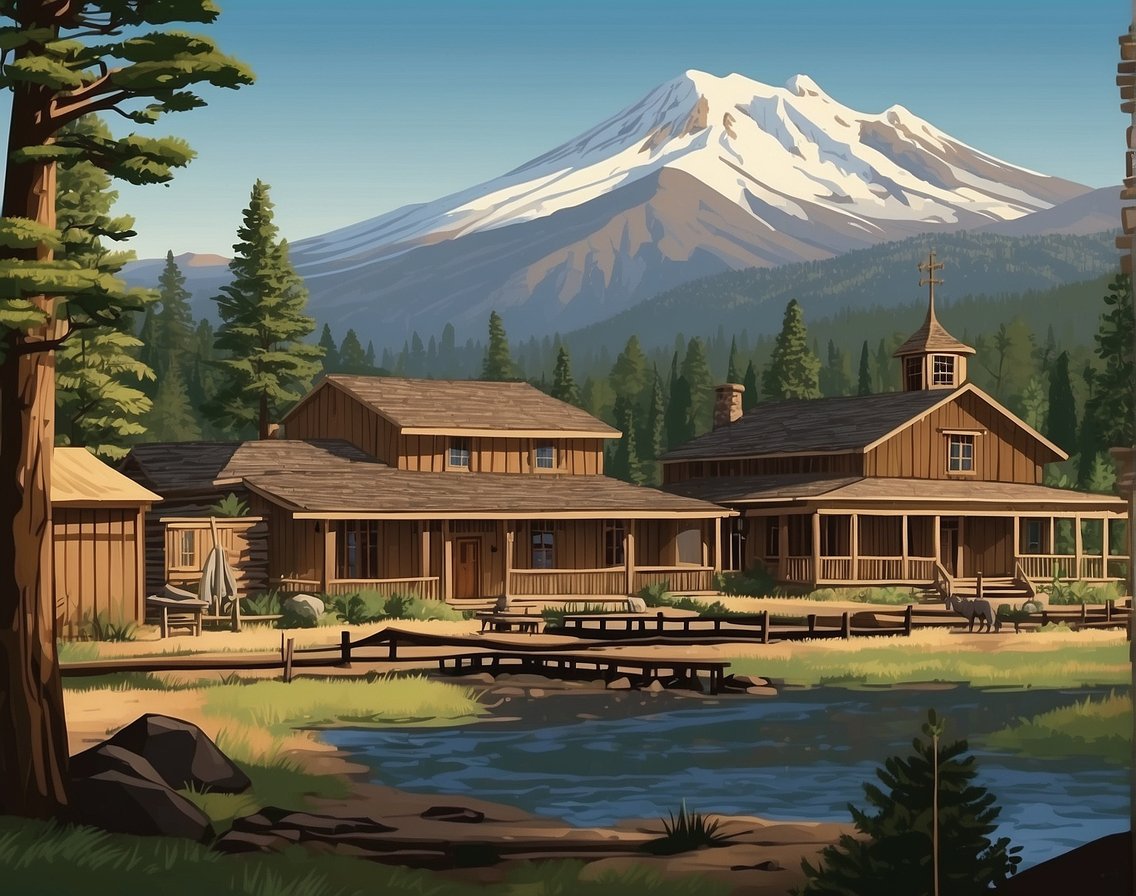
The Shasta Nation’s economy was profoundly shaped by their ability to adeptly manage and utilize local resources. These indigenous peoples harnessed the wealth of the land to establish robust trade networks, pivotal to sustaining their communities.
Trade Networks:
- Dentalium Shells: Used as currency, the Shasta traded these valuable shells with coastal tribes.
- Goods Exchange: In addition to shells, they traded items such as hides, pelts, and foodstuffs.
European contact significantly altered traditional Shasta economic structures. Early settlers brought new goods and trade relationships, which caused both opportunities and challenges for the Shasta people.
Post-Contact Changes:
- Introduction of new trade goods: Iron tools and European fabrics.
- Shift in trade dynamics: Forced adaptation to the settlers’ economic systems.
Modern day economic initiatives by the Shasta Nation aim to enhance tribal self-reliance and continue their cultural legacy through strategic development of tribal businesses. These endeavors not only bolster the tribe’s contemporary economic standing but also reflect a forward-thinking approach while respecting the history of their ancestors’ industrious practices.
Cultural Events and Festivals
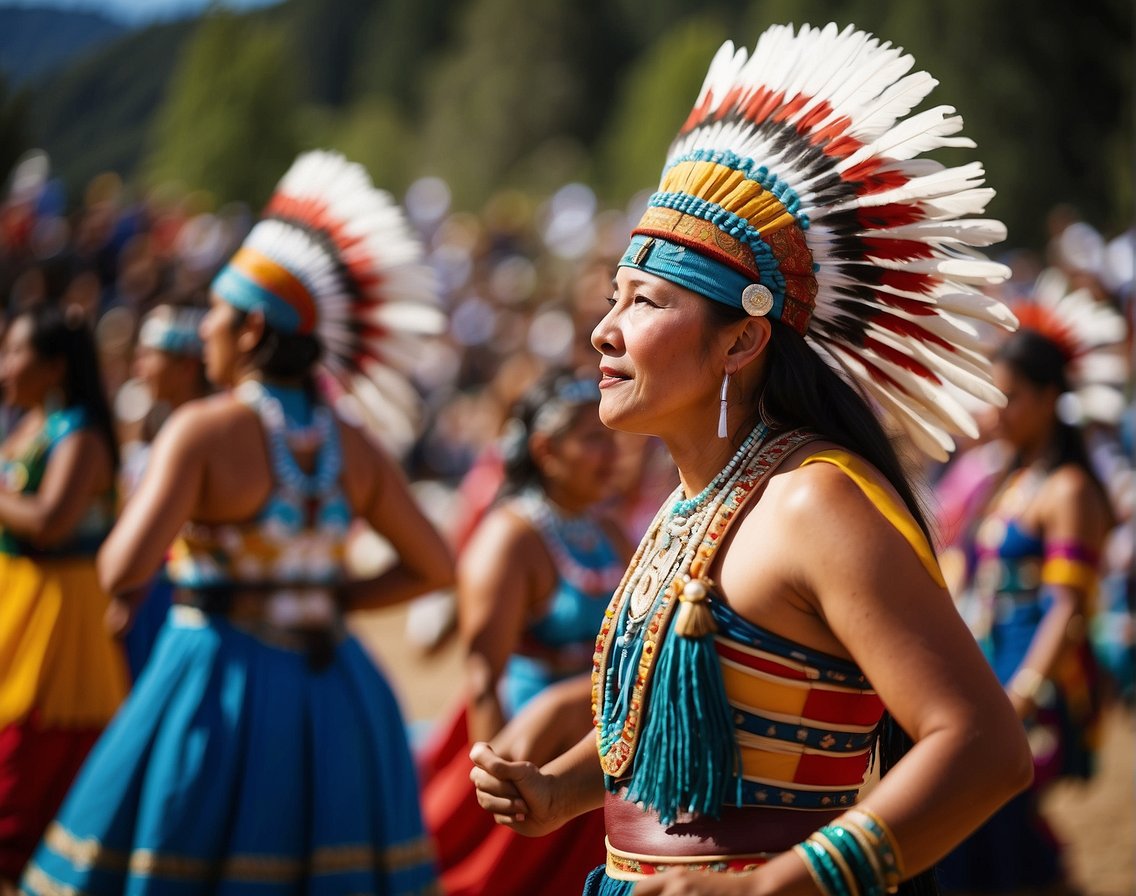
The Shasta Nation, steeped in tradition, offers a tapestry of cultural events and festivals that mark the ebb and flow of their seasonal cycle. These gatherings serve as a confluence of heritage, spirituality, and communal bonding, providing a glimpse into the rich tapestry of native culture.
Annual Celebrations: Each year, the Shasta people come together to celebrate the vibrancy of their culture. Festivals often include traditional music, dance, and the sharing of stories that have travelled through generations.
- The Ghost Dance: Once a symbol of hope and renewal, the Ghost Dance is remembered as a significant religious movement. Despite its historical suppression, the essence of this dance endures in the collective memory of the Shasta people.
_The Big Head Cult: A ceremonial fellowship, known for its majestic headdresses, it plays a pivotal role in certain Shasta ceremonies. The festival activities usually encompass both solemn rituals and elements of celebration meant to foster a sense of community and continuity.
Open Participation: While some events may be held privately, many cultural festivities welcome outsiders. This openness provides an opportunity for non-native individuals to experience the depth and beauty of Shasta traditions in a spirit of respect and learning.
The Shasta Nation, through their cultural festivities, maintains a vibrant connection to their past while navigating the present. Their festivals are not just spectacles to behold, but immersive experiences — portals into an ancient world that pulsates with life, encompassing values that have withstood the test of time.
Conclusion
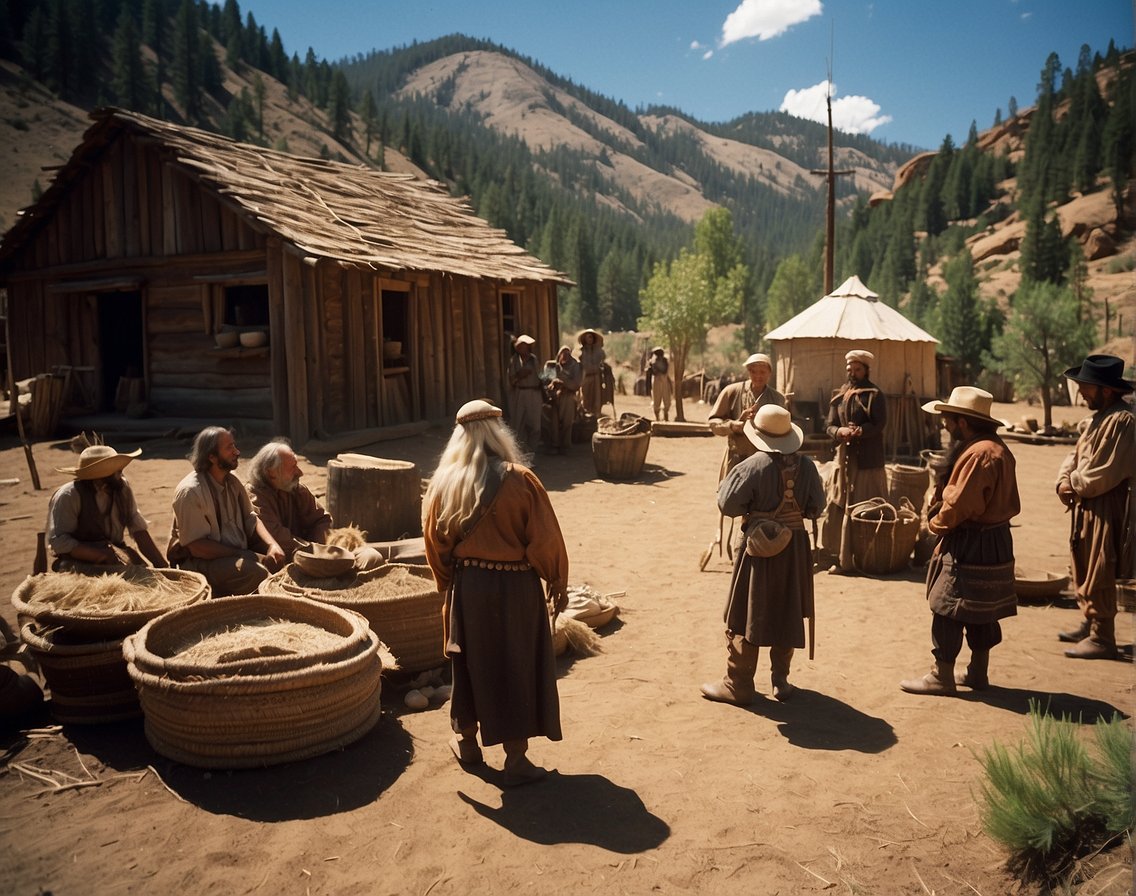
The Shasta people’s cultural legacy is woven into the very fabric of North America’s history. This tribe, whose traditions and ways are intimately tied to the land, stands as a testament to resilience. They have preserved their heritage with a profound reverence for nature despite numerous historical challenges.
Mount Shasta, towering as a symbol of spiritual significance, remains a central figure in the life and mythology of the Shasta nation. Their narratives resonate through the ages, inspiring explorers and settlers who traveled the trails to California and Oregon.
The culture and customs of the Shasta, deeply seated in the Hokan language family, are diverse yet unified. They share commonalities with neighboring peoples, evident in their linguistic roots and cultural exchanges.
Modern times call for acknowledgement and engagement with the Shasta community to ensure their history is not merely remembered but celebrated. The tapestry that is their past, replete with stories, traditions, and a sacred relationship with the environment, continues to enrich our understanding of America’s indigenous heritage.
The Shasta tribe encourages connection and participation. Individuals seeking to grasp the depth of the Shasta’s enduring spirit will find a rich heritage eager to embrace those who approach with respect and a genuine desire to learn.