

The Kayasha Nation History: An Overview of Heritage and Legacy
Nestled in the coastal terrains of Sonoma County, California, the Kashaya Nation, closely related to the broader Pomo group, holds a vivid tapestry of heritage and a profound kinship with the land. Known for their intricate basketry, traditional ceremonies, and resilient spirit, the Kashaya people’s history is interwoven with the natural beauty of the rugged coastline and the dense redwood forests they call home. Their traditional territory, with panoramic views of the Pacific, has sustained them through hunting, gathering, and fishing—a testament to their indelible bond with the environment.
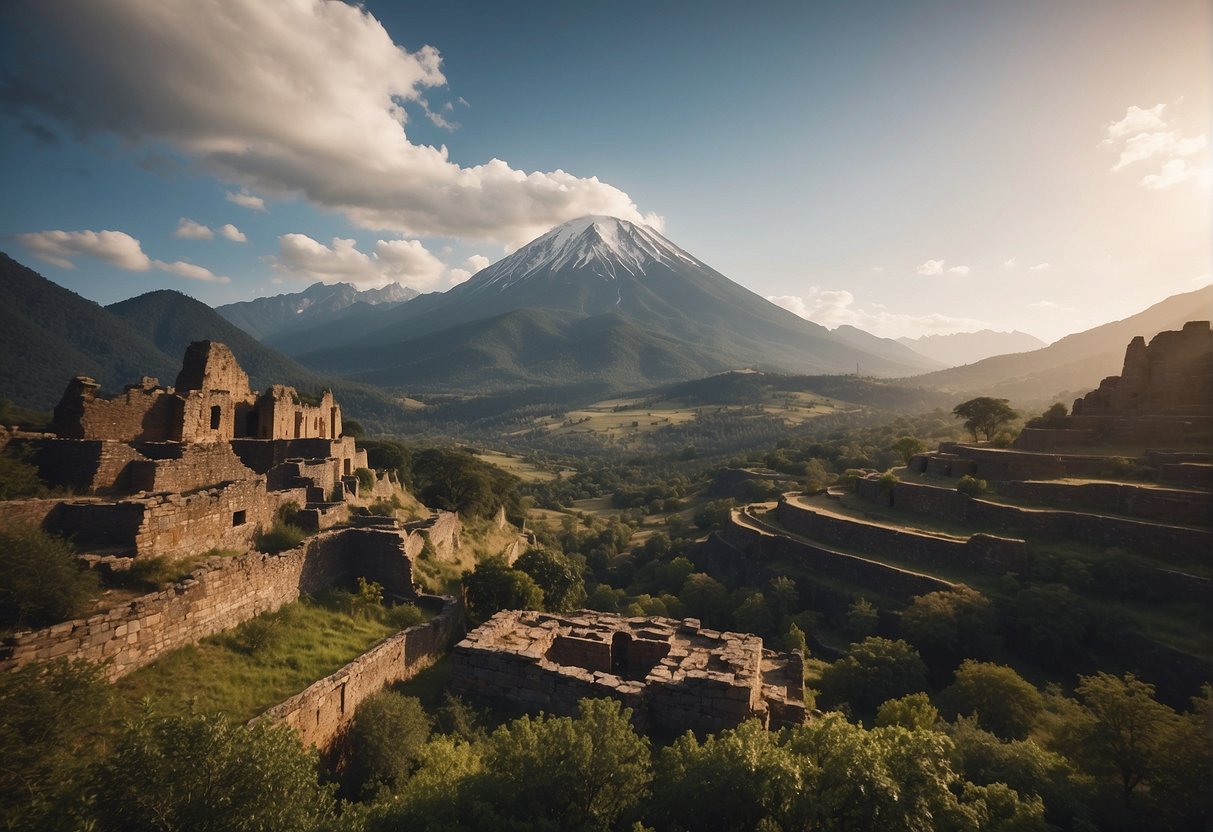
From the historical imprint of the Russian-American Company’s settlement at Fort Ross in the early 19th century to the challenges posed by European settlers, the Kashaya Nation has navigated a complex historical terrain. Yet, their unwavering connection to their ancestral land has been a guiding force, fostering resilience in the face of adversity. As we turn the pages into their contemporary journey, we witness a community that not only reveres its past but also adapts with unyielding determination, cherishing and preserving its essence in the modern era.
Our exploration will venture into the heart of the Kashaya Nation—flourishing in traditions and forward-looking in its stance. We’ll traverse through the kaleidoscope of their cultural practices and beliefs, examine the significance of their past, and shine a light on their resolve in present-day circumstances. In doing so, we reveal the vibrancy and endurance of a people deeply rooted to their identity and the land they have cherished for centuries.
Key Takeaways
- The Kashaya Nation cherishes a deep cultural and ecological connection to their Sonoma County homeland.
- Their history includes enduring the impact of European settlement, notably around Fort Ross in the 19th century.
- Contemporary insights reveal the Kashaya’s dedication to cultural preservation and adaptation amidst modern struggles.
Cultural Practices and Beliefs
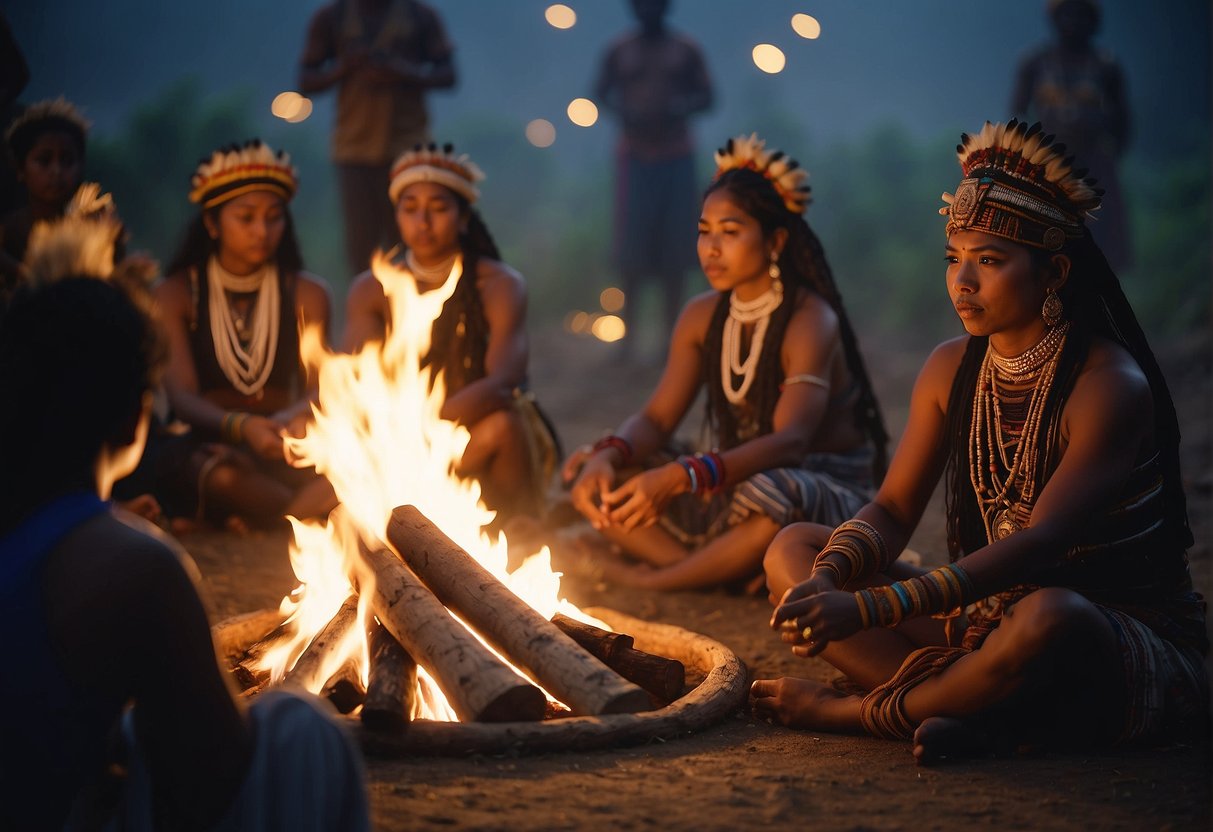
The Kashaya Nation’s vibrant tapestry of traditions is vividly colored with ceremonious grandeur and the resonant echoes of ancestral voices. Their cultural fabric is woven with intricate patterns of ritual and folklore, preserving an identity as enduring as time itself.
Description of Traditional Kashaya Ceremonies and Their Meanings
In the heart of the Kashaya community, ceremonies stand as pillars of cultural preservation, each with a narrative deeply rooted in the natural world. The Arrival of New Fruits ceremony, a meticulously orchestrated event, marks nature’s bountiful cycle with grateful recognition. Similarly, The Salmon Run celebration bridges the aquatic life’s migratory patterns with Kashaya sustenance and spirituality. Likewise, the Ripening of Acorns heralds a time of gathering and feasting, symbolizing the strength and resilience of their people.
The Role of Oral Traditions in Preserving Kashaya History
Oral traditions serve as the cherished conduits of Kashaya heritage, a lifeline that carries the pulse of the past into the future. Elders, the custodians of Kashaya lore, impart the wisdom of ages in the spoken word, ensuring that each syllable of history and every inflection of ancestral knowledge is not lost to the winds of change but instead is etched into the memory of the young.
Significance of Storytelling in Maintaining Cultural Identity
The art of storytelling emerges as a cornerstone of Kashaya identity, an art form as captivating as it is crucial. Through the vivid tableau of stories, they paint their worldview with broad strokes of moral values and cultural beliefs. Accompanied by rhythmic song and the lively cadence of dance, storytelling envelops the community in an experiential shroud, binding them to their shared legacy and fortifying the threads of their common identity.
Traditional Ecological Knowledge

Traditional Ecological Knowledge (TEK) within the Kashaya Nation encompasses the deep-rooted wisdom and practices for managing their lands and resources. These practices are a testament to the symbiotic relationship between the Kashaya people and their environment, ingrained in their culture and daily lives.
Kashaya Land Stewardship and Environmental Management Practices
In Kashaya philosophy, the land is not just soil and rock, but a living network requiring respect and careful stewardship. They employ ecologically sound techniques for managing forests and coastal areas, ensuring the balance and health of the ecosystem. The basket weaving craftsmanship perfected by the Kashaya—with materials harvested from the land—demonstrates their intricate understanding of sustainable material use without overexploiting the natural resources.
Importance of Indigenous Plants and Animals in Kashaya Culture
For the Kashaya, indigenous plants are not merely flora but hold significant cultural and practical importance. The plants used for basket weaving, such as willow and reeds, are more than materials; they carry stories and ancestral knowledge. Animals and plants are central to Kashaya myths and legends, and their preservation is crucial to maintaining cultural heritage.
Sustainable Practices and Their Relevance Today
Today, there’s a rising acknowledgement of the value in traditional Kashaya ecological practices which embody sustainability principles that the modern world is keen to emulate. The timeless principles of reciprocal care for nature and long-term resource management have positioned the Kashaya as model custodians of the environment. Their practices illustrate a way of life where every action taken today is weighed for its impact on the seven generations ahead.
Art and Craftsmanship
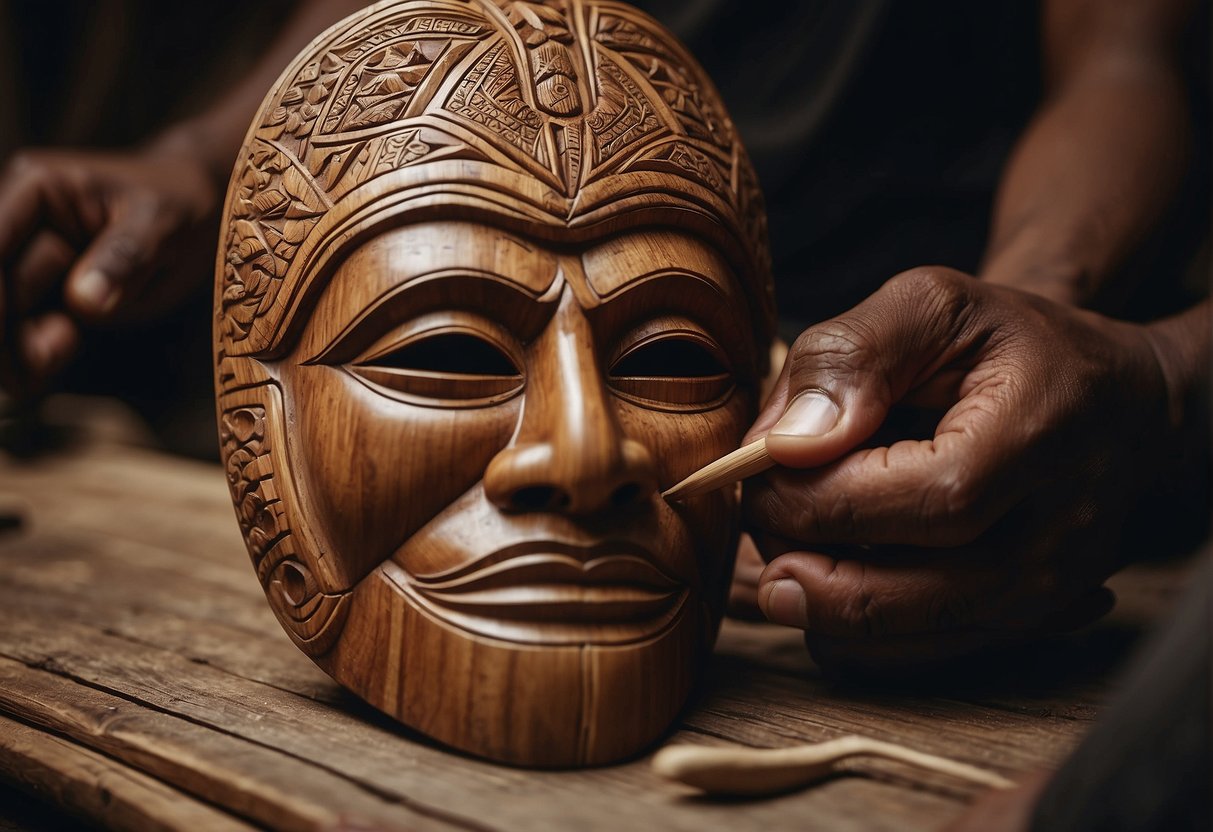
The Kayasha Nation’s history is rich with a tradition of intricate art and craftsmanship, where every woven basket and molded pot tells a story.
Techniques and Materials Used in Kashaya Basket Weaving
Kashaya basketry is not merely a form of art; it’s a testament to the ingenuity of the people. Basket weavers use a variety of materials traditionally gathered from the land, including willow, redbud, and sedge. The coiling and twining techniques employed result in baskets that are both durable and beautiful, with patterns that are more than mere decoration; they are narratives of the Kashaya landscape and life.
Other Forms of Traditional Art: Jewelry, Pottery, Clothing
Aside from basketry, the Kashaya’s traditional crafts include jewelry made from abalone and other shells, which serve not only as ornamentation but also signify status and achievements. Pottery, crafted with local clays and fired in open pits, holds both utilitarian and ceremonial value. Their clothing, often adorned with intricate beadwork and natural dyes, portrays a rich aesthetic that has been passed down through generations.
The Cultural Significance of These Crafts and Their Role in Kashaya Identity
Each crafted piece within the Kayasha Nation is a reflection of their culture’s endurance and an embodiment of its values. Cultural significance is woven into the very fibers of their traditional crafts, instilling a sense of identity and continuity. The patterns, methods, and materials are chosen not only with an eye for beauty but also for what they represent—the myths, the earth, the bonds that hold the community together. These crafts are the Kashaya’s living heritage, a way to hold on to their past, tell their present, and look forward to their future.
Language and Linguistics
The Kashaya language, a vital element of the Pomo people’s heritage, faces the brink of extinction. Linguistic diversity offers a window into the rich cultural fabric of a community, and Kashaya is no exception with its intricate sound system and grammar.
Overview of the Kashaya Language and Its Characteristics
Kashaya, the language of the Kashia band of Pomo Indians, exhibits a complex phonology with a robust set of consonants and vowels. It’s an agglutinative language, building up words by adding multiple affixes to a base, a testament to the linguistic richness that underscores its speakers’ worldview.
Current Efforts Towards Language Preservation
Language Preservation efforts for Kashaya are particularly urgent, given the language’s critically endangered status. A band of dedicated linguists and community members are tirelessly developing resources to document the language. Their collaboration has yielded valuable digital tools that are vital in the drive to keep the language vibrant for future generations.
Educational Programs Aimed at Revitalizing the Kashaya Language
Through various Educational Programs, learners now have access to engaging resources to study Kashaya. The range of modern materials available, bolstered by online platforms, has been instrumental in widening the reach of these programs. These initiatives are not merely academic pursuits; they are lifelines that connect individuals with an integral part of their cultural identity.
Historical Challenges and Resilience
The Kashaya Nation’s history is a poignant saga marked by the turmoil of external influences and the enduring spirit of its people. In the face of relentless pressures, they have both suffered and persevered, preserving a legacy that is as much about endurance as it is about the trials they’ve encountered.
Impacts of Colonization on the Kashaya People
European colonization swept through Kashaya lands, leaving an indelible scar on their community. Forced relocation and disease outbreaks eroded the fabric of their society. As the Kashaya grappled with these invasive forces, their cultural and spatial autonomy was continually undermined. The once untrammeled beauty of their homeland grew marred by the imposition of foreign treaties and the relentless partitioning of their territory.
Historical Events that Have Shaped Kashaya History
The landscape of Kashaya history was drastically altered with the construction of Fort Ross in the 1800s, a symbol of entangled destinies and competing interests. The California Gold Rush further precipitated change, beckoning a flood of prospectors and pioneers whose arrival signified a new epoch of challenge and adaptation for the Kashaya. This epoch tested their resilience, demanding both diplomatic engagement and tenacious resolve from the community.
Stories of Resistance and Key Figures in the Community’s Resilience
In the heart of adversity, the Kashaya Nation’s resolve did not waver; it was galvanized. Tales of tenacity pervade their history—stories of individuals and leaders who stood as cultural sentinels. These individuals labored to maintain traditions, fervently safeguarding their language and ceremonies from the maw of cultural dissolution. Their resistance is etched into the annals of their history, offering a wellspring of inspiration and a testament to their unyielding fortitude.
Contemporary Life and Issues
The Kashaya Nation, like other Native American communities, grapples with pressing contemporary challenges while fostering initiatives for growth and resilience. Effective representation and leadership are key to navigating the complexities of modern issues.
Social, Economic, and Political Challenges Faced by the Kashaya Today
The Kashaya confront persistent social challenges such as limited access to healthcare and educational facilities. Economic hurdles stem from a need for sustainable employment opportunities, while political obstacles might involve securing greater autonomy and rights from federal and state governments.
Economic Development
- Limited employment opportunities
- Need for sustainable economic growth
Education
- Access to quality education
- Language and cultural curriculum inclusion
Healthcare
- Availability of comprehensive healthcare services
- Mental health support systems
Political Advocacy
- Representation in local and state governments
- Protection of sovereign rights
Community Initiatives for Improving Quality of Life
Community-led initiatives emphasize:
Healthcare Programs
- Efforts to increase access to healthcare
- Mental health and wellness support
Educational Efforts
- Language revitalization programs
- Cultural educational resources and scholarships
Cultural Preservation
- Maintenance and sharing of cultural heritage
- Festivals, ceremonies, and workshops
Environmental Stewardship
- Sustainable land management practices
- Conservation projects of natural resources
Community vigor thrives with projects that revitalize languages, preserve cultural identity, and promote health and education.
Representation and Leadership Within the Kashaya Nation
The Kashaya lean on their leaders to champion their cause:
Tribal Government
- Elected officials and tribal councils
- Negotiations and collaborations with external entities
Advocacy and Collaboration
- Leaders partner with governmental and non-profit organizations
- Advocating for community needs at various government levels
Strong and clear-headed leadership is vital to steering the Kashaya community through the intricacies of modern governance and society.
Land Rights and Political Status
The intricate history of the Kayasha Nation is marked by persistent challenges and evolving pressures around land rights and their political status. These issues shape the community’s past and future, defining their quest for recognition and sovereignty.
Current Status of Traditional Kashaya Lands
The ancestral homelands of the Kayasha Nation, once sprawling across vast territories, now find their expanse significantly reduced. Traditional lands that were historically used for hunting, gathering, and ceremonies face encroachment and legal contention. Presently, the community holds certain parcels in trust, yet these represent only a fraction of their original domain.
Ongoing Land Rights Issues and Disputes
Land rights issues continue to simmer as disputes arise over unsanctioned use of traditional lands by external entities. The community grapples with unauthorized resource extraction and environmental threats that undermine their legacy. Ongoing litigations and negotiations seek to reclaim land or, at the least, ensure proper stewardship under the terms agreeable to the Kayasha Nation.
Governance and Political Organization Within the Community
The Kayasha Nation exhibits a robust political organization with governance structures rooted in traditional practices and adapted to contemporary realities. They operate through a council which not only governs but also liaises with external political bodies to advocate for the community’s rights and interests. Upholding sovereignty while engaging in modern political dialogue is a delicate balance that the council navigates continually.
Cultural Exchange and Influence
The vibrant tapestry of Kashaya history is woven with threads of cultural exchange and influence, marking its interactions with neighboring tribes and settlers, its contributions to overarching cultural narratives, and the subsequent transformation of its own traditions.
Kashaya Interactions with Other Indigenous Groups and Settlers
While the Kashaya Nation’s own cultural identity is deeply rooted in their ancestral practices, it has undoubtedly been shaped by their exchanges with other indigenous groups and early European and American settlers. From the sharing of traditional crafts to adopting certain agricultural techniques, the Kashaya peoples both influenced and were influenced by their neighboring communities. Such interactions sometimes sparked conflict but more often than not, led to a symbiotic fusion of customs and knowledge.
Contributions to Broader Cultural Movements
Indigenous art forms, folklore, and music crafted by the Kashaya have flowed seamlessly into the streams of broader cultural movements, enriching the regional ambiance with their distinctive flair. The Kashaya’s deep understanding of flora and fauna bolstered regional ecological knowledge and stewardship practices. One can trace the impact of indigenous rhythms in contemporary music or the earth-toned hues of Kashaya pottery in modern art, showcasing the enduring legacies that transcend time.
The Impact of Cultural Exchange on Kashaya Traditions
As the tides of cultural exchange ebbed and flowed, they left a lasting imprint on the Kashaya traditions. This influence was a double-edged sword; while it did infuse Kashaya culture with fresh perspectives and practices, it also posed a threat to the purity of age-old customs and knowledge. Indigenous languages, for instance, faced the danger of dilution or even extinction, encouraging a push from within the community to preserve and revitalize these cultural cornerstones.
Education and Youth Engagement
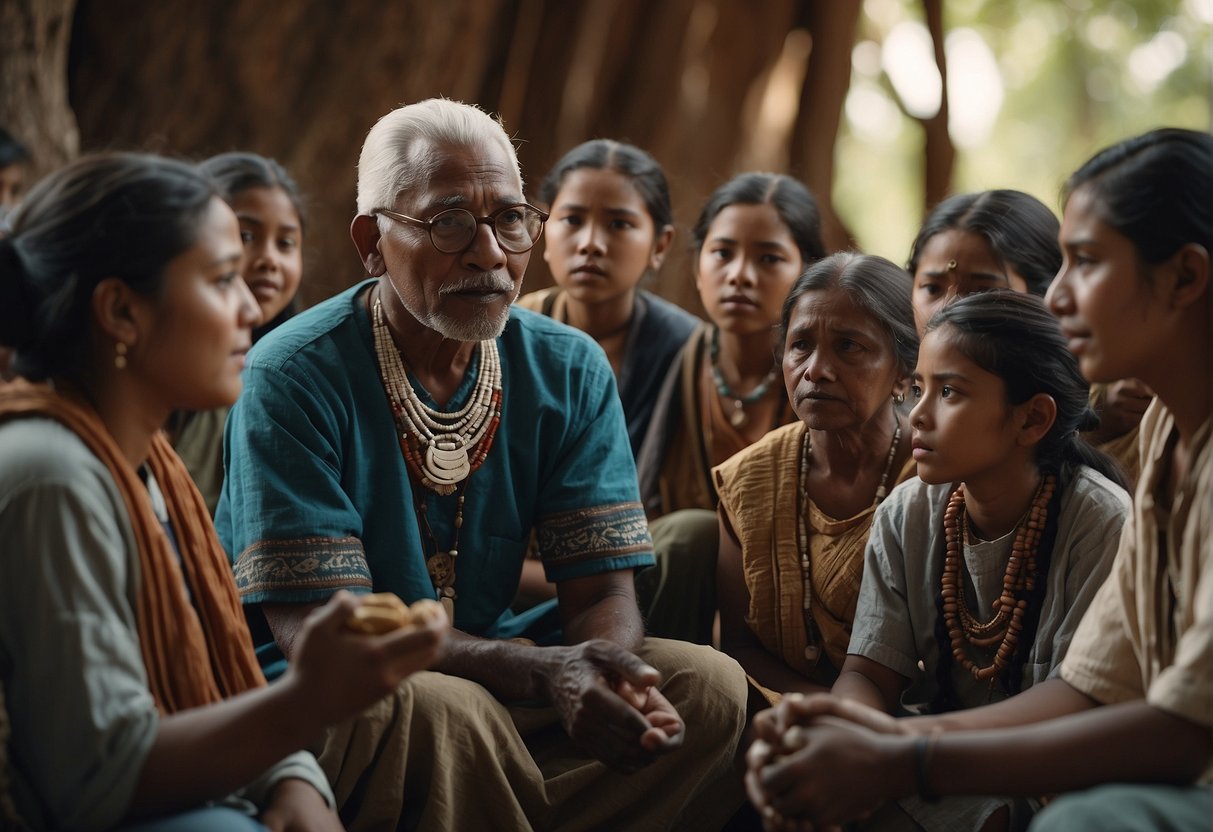
The vitality of the Kayasha Nation’s culture pivots on enlightening their youth and engaging them in age-old traditions. With a focus on immersing young minds in the historical and cultural fabric of their society, the Kayasha community implements spirited education initiatives and engagement strategies.
Cultural Education Programs for Kashaya Youth
The Kashaya’s tapestry of identity is kept vivid through Cultural Education Programs designed specifically for their youth. These programs weave a curriculum filled with the Kashaya language and artisanal craftsmanship. Young ones learn the rhythmic dance of their forebears and travel through time with traditional storytelling, breathing new life into ancestral customs.
Partnerships with Schools to Teach Kashaya History and Culture
Solidifying the roots of Kashaya legacy, indigenous leaders have forged collaborative Partnerships with Schools. Together, they lay educational pathways enriched with the peculiarities of Kashaya’s past. Students across various educational institutions receive enlightenment through expertly crafted modules and enlightening cultural convocations, experiencing the indelible mark of the Kayasha on both their community and the wider world.
Strategies for Engaging the Younger Generation in Cultural Preservation
To pass the torch of cultural stewardship, ingenious Strategies for Engaging the Younger Generation are employed. They spark wonder through mentorship connections and ignite passion at cultural camps. By drawing the youth into intergenerational assemblies and integrating Kashaya wisdom into daily existence, these strategies enkindle a robust sense of identity and purpose within the community’s burgeoning hearts and minds.
Economic Development
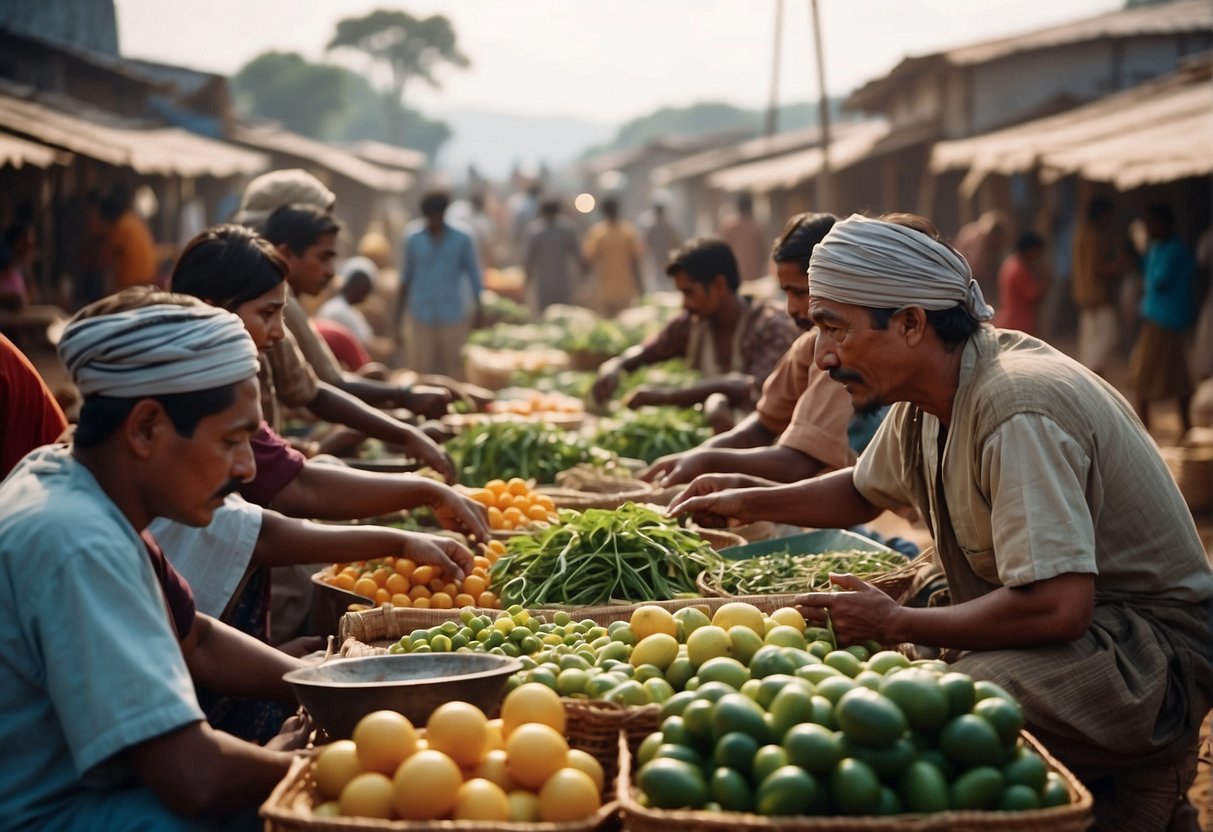
The Kashaya Nation’s economic landscape intertwines sustainable practices, traditional wisdom, and mindful tourism to foster growth while honoring their heritage.
Sustainable Business Initiatives Led by the Kashaya
The Kashaya community has been proactive in creating sustainable enterprises that not only support their economy but also safeguard their environment. These initiatives range from promoting agricultural activities that utilize organic farming methods to crafting goods with centuries-old techniques that reflect their rich cultural heritage. Eco-tourism projects, designed to minimize environmental impact, showcase the community’s commitment to preservation and serve as a model for responsible entrepreneurship.
Role of Traditional Knowledge in Modern Economic Practices
The Kashaya have seamlessly woven their traditional knowledge into modern economic ventures. This deep-rooted wisdom informs their approach to land and resource management, ensuring a synergy between economic development and ecological stewardship. Ancient farming practices, for instance, are implemented to enhance soil health and crop yield, demonstrating that traditional methods stand relevant and effective in contemporary contexts.
Tourism and Its Impact on Cultural Preservation and Economic Stability
Tourism in the Kashaya Nation strikes a careful balance between cultural exhibition and conservation. While opening their doors to visitors paves the way for economic diversification, the community is acutely aware of tourism’s potential to influence — and possibly dilute — their traditional culture. To this end, they have developed tourism frameworks that prioritize cultural preservation, enabling the Kashaya to share their legacy while securing economic stability for future generations.
Health and Wellbeing

In the heart of the Kayasha Nation, health extends beyond the physical, encompassing deep spiritual and cultural dimensions. The community holds its traditions in high esteem, blending these ancestral practices with modern medical advancements to enhance wellbeing.
Traditional Kashaya Approaches to Medicine and Health
The Kashaya’s approach to medicine and health is rich in heritage, distinguished by a profound connection to the natural world. They utilize an array of medicinal plants, each with a specific purpose, allowing for a natural pharmacy that has sustained the community for ages. Ceremonies and spiritual rituals play a pivotal role, often seen as equally important to physical remedies for maintaining balance and wellness.
Integration of Traditional Practices with Contemporary Healthcare
Efforts to weave together traditional Kashaya methods with today’s healthcare systems have been met with optimism. The community and healthcare providers collaborate to craft a model of care respectful of indigenous culture. This symbiosis ensures that individuals receive care that is not only clinically effective but also spiritually fulfilling, honoring the past while safeguarding the future.
Current Health Initiatives and Programs Within the Community
Focused on fortifying the wellbeing of every tribe member, the Kayasha Nation has implemented various health initiatives. These include setting up healthcare clinics tailored to address the unique needs of the community. They tackle mental health, substance abuse, and are dedicated to reducing health disparities, ensuring that each member receives the support they need for a healthy life.
Preservation of Natural Resources

The Kashia Band of Pomo Indians, with an enduring bond to their ocean and coastal lands, exemplify a profound dedication to safeguarding the environment. Integrating millennia-spanning wisdom with advancements in resource management, they are pivotal figures in the ecological preservation dialogue.
Kashaya Efforts in Environmental Conservation
The Kashia Band’s resolve in environmental conservation is an embodiment of their ancestral legacy. Within the framework of the Tribal Marine Stewards Network, they are pioneers in the art of marine and coastal stewardship. Their methodology is a tapestry, weaving traditional ecological knowledge with contemporary conservation strategies, thus ensuring the vibrancy of their aquatic homelands. These concerted efforts are not just about protection, they’re about a rightful reclamation of their stewardship role, honoring a symbiotic relationship that has thrived for eons.
Collaboration with External Organizations for Resource Protection
In a quest to fortify their guardianship, the Kashia Band embarks on collaborations with state and federal agencies. This alliance is a strategic melding of efforts—where indigenous insights meld with the bureaucratic mechanisms of environmental governance. Together, they seek to construct a bulwark against the onslaught of ecological threats, asserting the necessity of a multi-tiered approach in resource protection that values and elevates Tribal Science.
The Importance of Natural Resources in Kashaya Spiritual Life and Culture
To the Kashaya, natural resources are more than means of sustenance—they are the silken threads in the fabric of their spiritual existence. The reverence for ocean and coastlines transcends mere utility; these places are sacred, whispered about in their oral histories and celebrated in rituals. Acknowledging the conflux of natural resources with cultural identity, the Kashia’s environmental activities are infused with the sacred duty to preserve the sanctity of their spiritual spaces.
Through steadfast determination, the Kashia Band of Pomo Indians continues to be a beacon in the conservation arena, exemplifying how the amalgamation of ancestral knowledge and modern practices can create enduring environmental stewardship.
Conclusion
Respect for the Kashaya Nation’s sovereignty and culture is paramount. Recognizing their right to self-determination and preservation of customs proves crucial in nurturing cultural diversity. The resilience displayed by the Kashaya in maintaining their language and traditions speaks volumes of their dedication.
Initiatives that foster the learning and support of the Kashaya legacy are numerous. Advocacy for their rights remains a moral imperative for those outside the community. Programs that promote cultural exchanges have proven beneficial, as they facilitate mutual understanding and respect. Supporting entities focused on safeguarding indigenous legacies not only aids the Kashaya but enriches global cultures.
The role of the Kashaya Indian Nation is notable in the mosaic of indigenous contributions. Their devotion to cultural preservation is a beacon for other communities striving to maintain their unique identities in a rapidly evolving world. As the gatekeepers of a rich heritage, they remind society of the value found in the vast array of human traditions.
Through supporting these steadfast indigenous communities, one contributes to a world where cultural plurality is not only acknowledged but celebrated. The Kashaya’s journey underscores the importance of fostering inclusivity, promoting an environment where every cultural tapestry has the space to thrive.